
Surfing is one of the most enjoyable and physically demanding sports in the world. It requires a wide range of physical qualities in order to paddle out, catch a wave, balance on a surfboard, and lay some big hacking turns and aerial moves.
Quality surf training will help you perform better in the water, catch more waves, and enjoy a fun surf session. Surf fitness is going to help keep you injury-free, too.
To get your body prepared for your surf session, start by incorporating a full-body warm-up. Too many surfers hop into the surf with little-to-no warm-up, and eventually, that will lead to injury. While on land, you can also improve your stamina and overall shape with targeted exercises that are sure to boost your performance in the water.
Remember that surfing is a complete sport. It requires swimming skills, a sense of balance, decision-making, and constant muscle interactions, so spend a few minutes getting your body and mind ramped up for your training or surfing.
1. Surfing Warm-Up
Your warm-up should consist of movements and mobility drills, which replicate some of the movements in surfing.
Slow, long hold stretches have actually been shown to "shut off" muscles and decrease their contraction times.
The key to a quality surf training warm-up is using movements to increase the heart rate, release tight tissues, lubricate joints, and excite the nervous system.
Benefits of a Warm-Up
- Increased mobility and flexibility of the body and joints;
- Reduced muscle stiffness;
- Increased heart rate, improved blood circulation, and oxygen delivery to muscles;
- Nervous system activation and excitation of joint stabilizing muscles;
- Stimulation of the respiratory systems;
- Increased speed of muscle contraction, allowing for faster reactive movements;
Surf Training Warm-up Movements
Breathing Squat: perform a squat movement, exhaling as the body moves down and inhaling as the body comes back up, extending the arms towards the sky;
Single-Leg Upper Body Rotation: stand on one leg with the knee slightly bent and your hip pushed backward. With your arms placed in front of the body, rotate from side to side slowly. Control the movement and remain balanced on one single leg.
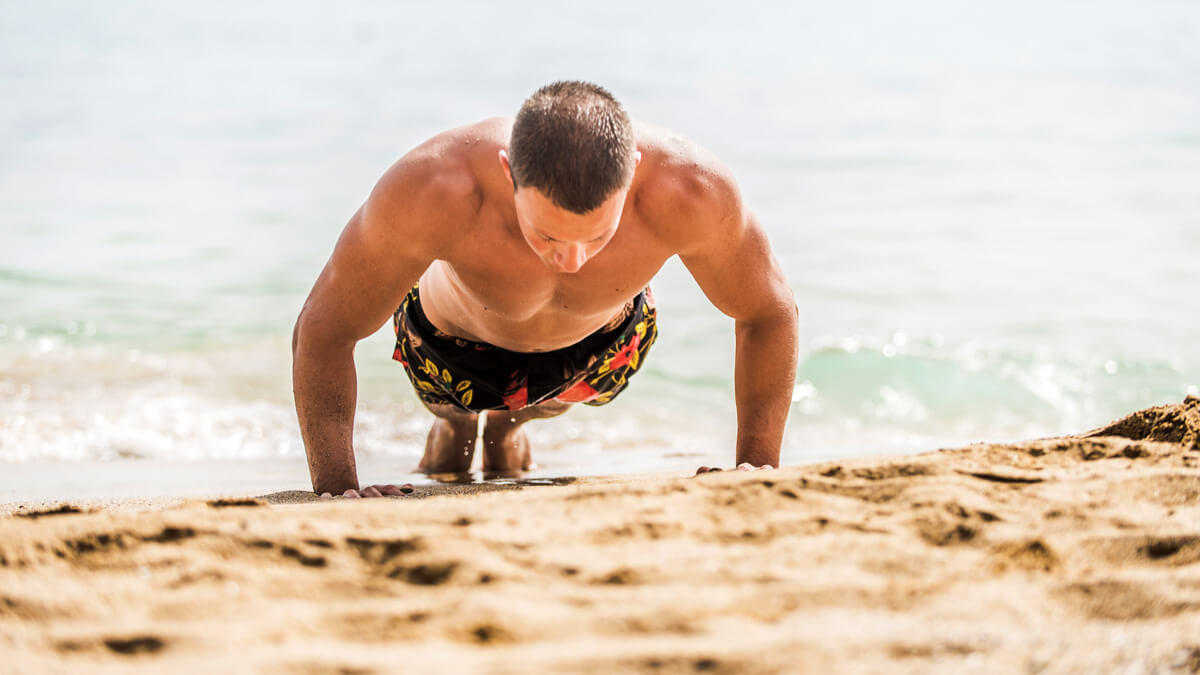
T-Rotation Pushups: begin in the pushup position, and then rotate one arm towards the sky while simultaneously rotating the body onto one side. You are now balanced on one hand, with the other hand/arm extended towards the sky. Rotate back into the pushup position and repeat on the other side.
Warrior Lunge: begin in a basic standing position and lunge forward into a lunge position, extend your arms to the sky, and push up off your front foot and back into the starting position. To advance the movement, you can repeat the prior movement and then add a side bend in either or both directions.
Butt Drops: reach towards the sky and then bend forward to touch your toes. Drop your butt towards your heels as you lift the chest to face forwards. The elbows are inside of the knees, pushing them outwards. Lower your butt as lower as possible, and keep your chest as tall as possible. Hold this position for one inhale/exhale, and then lift your butt back towards the sky as your head and chest move back towards the ground. Stretch the hamstrings and repeat the movement.
Bent Shoulder Circles: keeping a straight back, with slightly bent knees, bend the torso forward. Get to an angle where you begin to feel a slight stretch in your hamstrings, and bring the arms out to the sides into a T-position. Perform small arm circles for 30 repetitions in each direction.
Standing Knee Hugs: stand with your spine tall and erect and bring one knee towards your chest. Place your hands around the knee and pull it towards your stomach/chest. Bring the knee as high as possible without rounding the back.
Now that you are warmed up, joints are mobile, and you are ready to hop into that paddle-out or get into some good surf training workouts.

2. Surf Training Workouts
While nothing can truly replicate what our bodies are required to do in the water during a surf session, you can strengthen the basic required movements and physical demands of surfing.
Even just a few days a month of quality exercises can have a tremendous benefit on your strength, speed, and endurance in the surf and will help keep you injury-free.
Full-Body Movements
Surfing is a highly dynamic sport that demands body movement in three-dimensional space, so you need to train your body to become strong and efficient in motion, not in isolation.
Dumbbell curls and calf raises are not going to benefit your surfing.
For quality surf training, you want to use full-body movements that require the integration of muscles and develop full-body strength:
- Kettlebell Swings;
- Back Squats or Front Squats;
- Dead Lifts;
- Single-Leg Dead Lifts;
- Lunges and Multi-directional Lunges;
- Plyometric Hops;
- Single Arm Cable Pushes and Pulls;
- Overhead Presses and Single Arm Overhead Presses;
- Medicine Ball Chops;
- Sprints;
- Cable Chops;
- Pushup Variations;
- Pull-Ups/Chin-Ups;
Balance and Single-Leg Surf Training
Balance is exceptionally important for anyone looking to improve their surfing. A quality training program will challenge your balance demands so that you not only have quicker reaction times but also are able to dynamically stabilize your joints.
Another aspect of training that will not only improve your balance but also help to keep your lower body injury-free is single-leg movements.
Balance Drills
Single-leg balance drills such as hopping, closed-eye balance while standing on a pillow, or upper body rotations;
- Single-leg balance with upper body medicine ball tosses;
- Single-leg cable Push or Pulls;
- Exercises on top of a Balance Board or Indo Board;
- Single-Leg Exercises;
- Bulgarian Split Squats;
- Lunges;
- Single-Leg Dead Lifts;
- Ice Skater Squats;
- Single-Leg Box Squats;

3. Surf Core Training
Core training has received loads of hype in the last few years, and there are, unfortunately, a lot of misconceptions. What is true is that a strong core is necessary for not only staying pain-free but also being able to surf with speed and power.
It is necessary to understand that the "core" is much more than your abs. The core comprises many muscles throughout your trunk that help stabilize and transmit movement and power throughout your body.
It is important to train the core in integration, not isolated movements such as a crunch that has zero carryovers to surfing. Medicine balls, cables, exercise bands, and stability balls are excellent tools for high-quality core surf training.
- Supine Lateral Ball Rolls;
- Stability Ball Jack-Knife;
- Medicine Ball Chops;
- Cable Chops;
- Pallof Press;
- Horse Stance or Bird Dogs;
- Stability Ball Rollouts;

4. Shoulders and Upper Back
Paddling can be one of the most exhausting aspects of surfing. Strong shoulders, a durable upper back, and a powerful core are key to strong paddling.
Some extra training for the shoulder and upper back complex can help you build a stronger, more durable, and pain-free upper body.
The additional work focus on the shoulder girdle and the often injured rotator cuff is also a good idea for surfers. Try these regular exercises:
- Dumbbell Bent Rows;
- Cable Face Pulls;
- Shoulder A, T, Y's;
- Straight Arm Cable Pull Downs;
- Suspension Training Tricep Pushes;
- Shoulder Scarecrows;
- Rotator Cuff External Rotations;
- Body Blade Exercises;

5. Endurance
Surfing for extended periods of time, sessions in heavier breaks, and point break currents require full-body endurance. Surf training should also include some kind of endurance training that will prepare your body for extended periods of energy production.
One of the best methods is interval training. Since surfing requires bouts of explosive energy output, combined with a long duration, lower energy output such as casual paddling, it's important to work both attributes.
Intervals combine high-energy explosive output with longer, slower-duration energy output. A running interval example would be as follows: warm-up, light jog for five minutes, 30-second to 60-second sprints, return to a light jog for five minutes, repeat sprint, and continue that cycle.
Intervals can be incorporated into nearly any exercise format. Try these regular endurance exercises:
- Workout Circuits;
- Jump Rope;
- Row Machine Intervals;
- Boxing;
- Jogging Intervals;
- Swimming;
With a combination of these exercises, you can truly prepare your body for what surfing demands.
Quality surf training will keep your body ready for that next big round of swell and make you able to withstand injury and stay fit so you can remain active and continue to surf for plenty of years.

5. Nutrition
Nutrition is vital to staying in the water, remaining injury-free, maintaining energy levels, and simply being healthy.
A balanced diet is a perfect choice for surfers. Here are a few tips to keep you fueled for the next four-hour surf session:
- Eat real whole foods: fruits, vegetables, quality fats, and proteins. Remove processed foods and excessive sugar from your diet;
- Drink clean water and stay hydrated: soda, sports drinks, and artificially flavored liquids do absolutely nothing to help you stay healthy. For a rehydrating drink, squeeze some lemon, lime, or orange into clean water and add a pinch of salt;
- Eat well-balanced meals: include proteins, carbohydrates, and good fats (vegetable oils, for example) in every meal;
- Try not to smash alcohol five nights per week;
- After surfing, aim to replenish your muscle glycogen stores (energy) with some quality fruit and also aid muscle repair with protein intake;
- Eat less food made of white flour or processed flour;
- Buy local, fresh, and organic if you've got the spare cash: support your local farmers and community, and eat healthier, pesticide-free vegetables;
- Eat breakfast: before your surf, eat a piece of fruit and some nuts, or some kind of small meal. Most people are uncomfortable surfing on a full stomach, but even a small amount of food will help fuel your surf. On flat surfing days, eat a quality breakfast or protein, fruit/veggies, and healthy fats, and reduce your consumption of bread and cereals, which offer minimal nutritional value;
- Eat quality fats and limit your consumption of processed vegetable oils: quality fats and oils are organic olive oils, avocados, coconut oils, grass-fed butter, and ghee. Quality saturated fat is important for nervous system function, vitamin uptake, hormone pathways, immune system function, and overall health;
- Learn to cook: buy a slow cooker, get a few recipe books, and learn how to cook. Realize that improving your eating habits is one of the fastest and easiest ways to impact your health. Change your relationship with food, and recognize that what you're eating provides you with the building blocks for your life.
6. Surf Fitness Resources
Watch surf fitness exercises that you can do at home.
Learn how to prevent cramps in surfing.
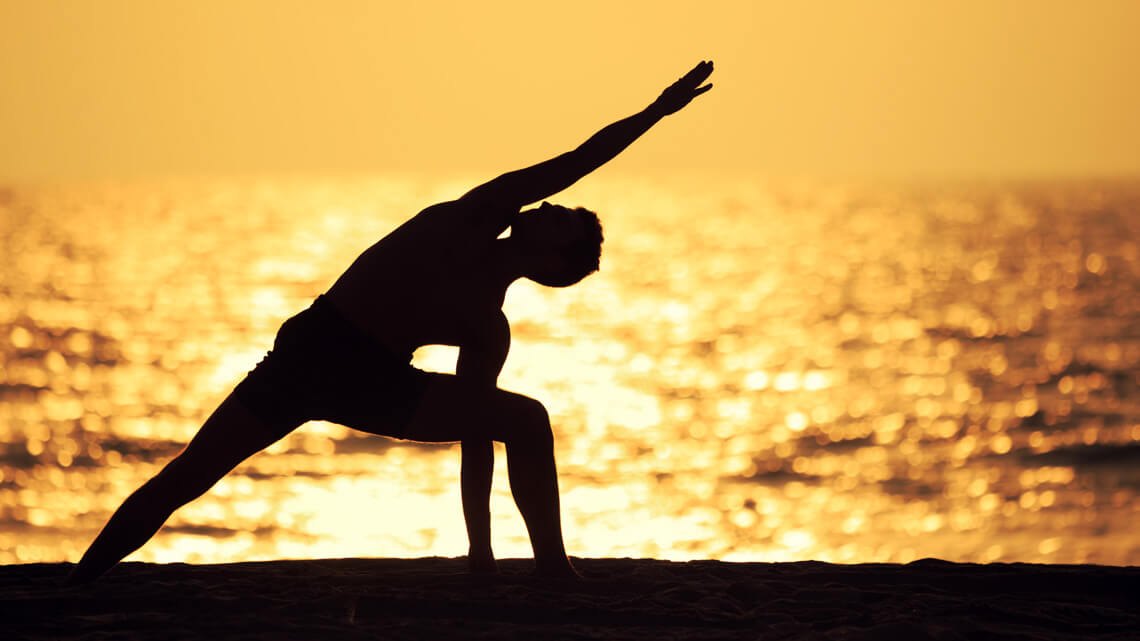
Try the best yoga poses for surfers.
Discover the most common injuries in surfing.
Check the complete physical guidelines for the average surfer.
Take a look at the muscles used in surfing.
Include meditation in your surfing life.